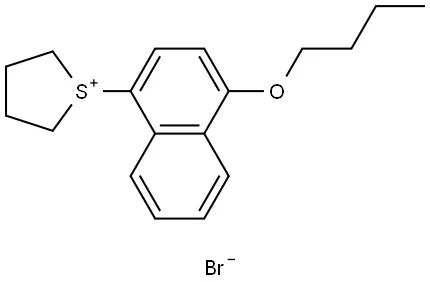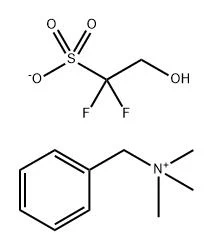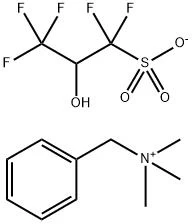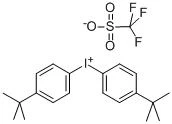
Product Description
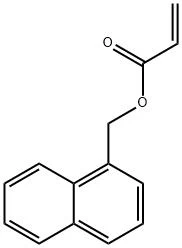
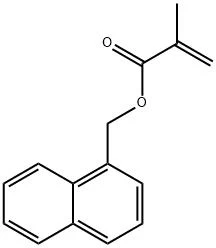
2-Propenoic acid, 1-naphthalenylmethyl ester (commonly known as 1-naphthalenylmethyl acrylate or BNT-Br within specialized high-refractive-index polymer frameworks) is a specialized specialty monomer used primarily in optical materials engineering, polymer synthesis, and electronic chemicals.The compound is an ester combining an acrylic acid backbone with a naphthalene-1-methanol derivative, forming a rigid aromatic side chain.
Physico-Chemical Properties
Because of the dense π-electron cloud offered by the bicyclic naphthalene ring system, this monomer imparts highly unique optical and thermal attributes to polymers derived from it.
Physical State: Typically liquid to semi-solid at ambient temperatures (dependent on exact purity and handling temperatures).
Boiling Point: 337.5±11.0 °C (Predicted at 760 mmHg).
Density: 1.129±0.06 g/cm3 (Predicted).
Refractive Index (nD20): High refractive index monomer (typically >1.58, engineered to increase the refractive index of copolymer matrices).
Solubility: Soluble in common organic solvents like toluene, dichloromethane, THF, and various liquid acrylate monomer diluents; insoluble in water.
Stability: Sensitive to ambient heat and light. Commercial grades are usually stored cold (2–8 °C) under an inert gas atmosphere and are typically stabilized with a radical inhibitor (such as MEHQ) to prevent spontaneous polymerization.
Key Uses and Industrial Applications
1-Naphthalenylmethyl acrylate is predominantly used as a functional modifier monomer to engineer high-performance polymers.
High-Refractive-Index Polymers (HRIP)
The primary industrial application is in optical coatings, lenses, and displays. Introducing the dense aromatic naphthalene ring vastly increases the optical refractivity of the polymer without adding heavy halogen atoms (like bromine or iodine), which can yellow or degrade over time. It is heavily utilized in:
Light Guide Plates & Diffuser Films: Maximizing light throughput and control in LED/LCD displays.
Optical Adhesives (LOCA): Liquid optically clear adhesives used to bond touch panels and cover glasses.
Electronic Chemicals and Resists
In semiconductor manufacturing and optoelectronics, it serves as a component in specialized photoresist formulations. The naphthalene moiety provides excellent dry-etch resistance during plasma etching phases due to its high carbon-to-hydrogen ratio (Ohnishi parameter optimization).
Advanced Coatings and Crosslinkers
It is integrated into UV-curable formulations where high thermal stability, scratch resistance, and optical clarity are simultaneously required.
Storage, Handling, and Safety
As a reactive acrylate monomer, standard industrial safety measures for chemical handling must be strictly applied.
Handling: Must be handled under yellow light or UV-filtered environments if uninhibited. Use chemical-resistant gloves, protective eyewear, and ensure proper localized exhaust ventilation.
Storage: Keep in a dark place, tightly sealed, and dry. Store under refrigerated conditions (2–8 °C) to maintain the efficacy of the polymerization inhibitor.
Hazards: Like most low-molecular-weight acrylates, it is classified as a skin and eye irritant and can cause skin sensitization upon repeated exposure. Avoid environmental discharge as aromatic acrylates can pose long-term toxicity concerns to aquatic life.
![2758367-55-2,Thiophenium, 1-[4-(1,1-dimethylethyl)phenyl]tetrahydro-, bromide (1:1)](https://www.pudeepharm.com/wp-content/uploads/2026/05/20260525040002947046.webp)