Product Description
Rosyfolia® is a high-performance synthetic fragrance molecule engineered and patented as a "captive molecule" by the Swiss fragrance and flavor manufacturer, Givaudan. Designed to meet the modern demand for stable, sustainable, and highly diffusive floral ingredients, Rosyfolia® provides perfumers with an expansive alternative to traditional, restricted, or costly natural extracts like rose and geranium.
Olfactory & Physical Properties
Rosyfolia® is classified under the floral-rosy olfactive family. Rather than mimicking a heavy, traditional absolute, it delivers a contemporary, fresh-petaled profile.
Odor Profile: Fresh, rosy, and petally with prominent geraniol-like facets, accompanied by an elegant, radiant, and fruity airiness.
Performance Attributes: Highly versatile and diffusive. It acts as an exceptional "booster" in compositions, granting a distinct, clean, and airy volume (petally radiance) from the top through to the middle notes of a fragrance.
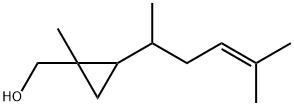
Structural Characteristics: Its molecular structure features a cyclopropane ring substituted with a methyl group, a methanol group, and a branched unsaturated hexenyl chain. This specific alicyclic arrangement contributes to its high stability and unique volatility profile compared to linear terpenoids like geraniol or citronellol.
Industrial Applications
Rosyfolia® is utilized strictly as a premium ingredient within fine fragrance and functional consumer goods formulations.
Fine Fragrance (Perfumer's Palette): It is frequently utilized as a middle (heart) note to enhance the brightness and modern airiness of feminine, masculine, and unisex floral perfumes. It blends seamlessly with citrus, woody, musky, and fresh green accords.
Functional Perfumery: Due to its molecular stability, it is formulated into premium personal care products (such as luxury shampoos, conditioners, and body washes) and cosmetic applications where a lasting, natural, and transparent rose-petal effect is desired without the discoloration risks associated with other raw materials.
Sustainability & Captive Status: As a proprietary captive ingredient, Givaudan distributes it selectively within their own creations to deliver unique, intellectual-property-protected olfactory signatures to brand clients. It serves as an eco-conscious alternative by reducing reliance on land- and water-intensive natural rose harvesting.
Safety and Regulatory
According to data registered with the European Chemicals Agency (ECHA) and documented in safety repositories like PubChem, the pure substance is classified under the Globally Harmonized System (GHS) with the following hazard statements:
Hazard Code Classification Description
H312 Acute Tox. 4 Harmful in contact with skin.
H315 Skin Irrit. 2 Causes skin irritation.
H317 Skin Sens. 1B May cause an allergic skin reaction.
H319 Eye Irrit. 2 Causes serious eye irritation.
H411 Aquatic Chronic 2 Toxic to aquatic life with long-lasting effects.
![1778671-11-6,1-[1-methyl-2-(1-phenylethyl)cyclopropyl]ethanol](https://www.pudeepharm.com/wp-content/uploads/2026/03/116.jpg)
![142653-61-0,3-[(2Z)-3-Hexenyloxy]-propanenitrile](https://www.pudeepharm.com/wp-content/uploads/2025/10/610.jpg)
![154171-77-4,1',1',5',5'-Tetramethylhexahydro-spiro[1,3-dioxolane-2,8'(5'H)-2H-2,4a-methanonaphthalene]](https://www.pudeepharm.com/wp-content/uploads/2025/10/774.jpg)
![Indeno[4,3a-b]furan,decahydro-2,2,7,7,8,9,9-heptamethyl-](https://www.pudeepharm.com/wp-content/uploads/2025/10/168.jpg)