UiO-66 is a zirconium-based metal–organic framework (MOF) constructed from zirconium oxide/hydroxide clusters and 1,4-benzenedicarboxylic acid (terephthalic acid, H₂BDC) linkers. The name UiO refers to the University of Oslo, where the UiO family of zirconium MOFs was developed.
The material is widely regarded as a benchmark Zr-based MOF because it combines high porosity, high surface area, structural tunability and unusually high thermal and chemical stability.
UiO-66 (CAS No. 1072413-89-8) is one of the most extensively studied zirconium-based MOFs and is characterized by a robust Zr₆-cluster/terephthalate framework, high surface area, tunable porosity and comparatively high thermal and chemical stability.
Its principal technological value lies in its ability to function as a stable porous platform for adsorption, molecular separation, catalysis, membranes, environmental treatment and sensing. Functionalization and defect engineering further expand its potential.
In summary, UiO-66 should be regarded as a technologically mature research platform with significant industrial potential, rather than assuming that every reported application has already reached full commercial-scale deployment.
Key Properties
High Surface Area and Porosity
High Thermal Stability
Chemical and Hydrothermal Stability
Tunable Defect Chemistry
Functionalization
Thus, UiO-66 serves not only as an adsorbent itself but also as a platform for designing application-specific Zr-MOF materials.
Main Uses of UiO-66
Adsorption and Separation
Gas Separation and Storage
Catalysis
Water and Environmental Applications
Membranes and Separation Technologies
Sensing and Analytical Applications
Main Specification
BET surface area:>892 m2 g-1
Total pore volume:>0.5 cm3 g-1
Pore-size distribution:<4 nm
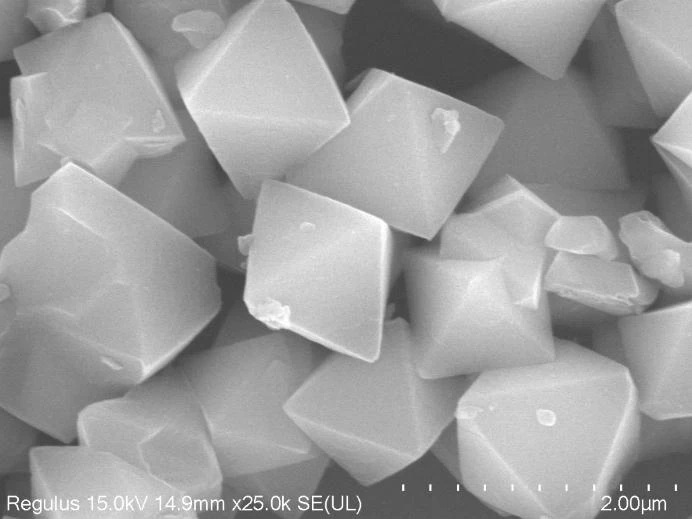
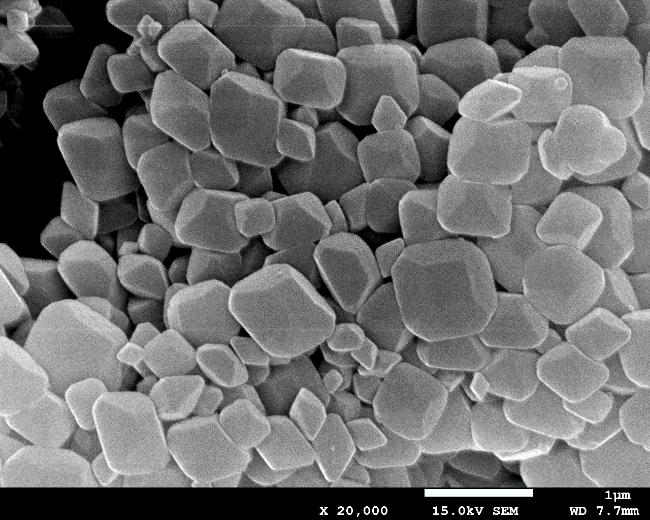
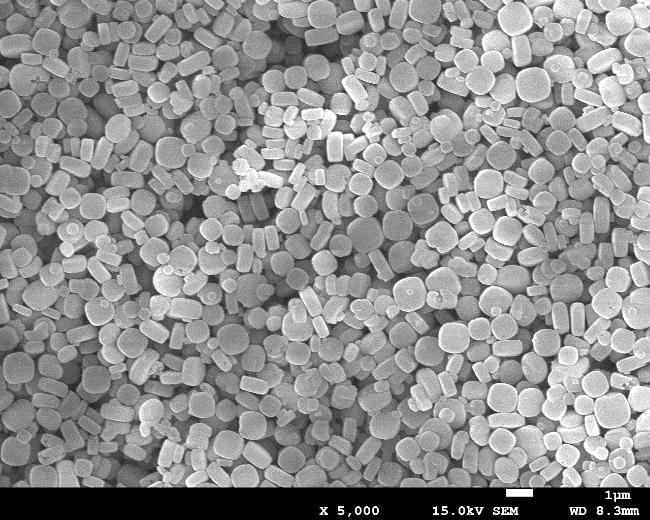
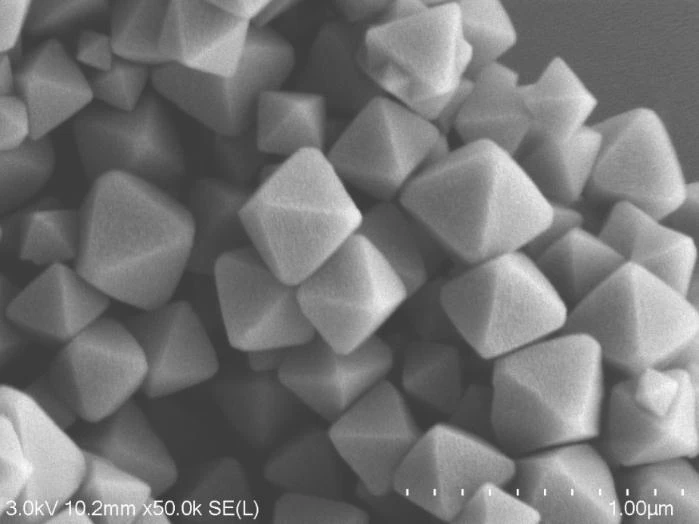
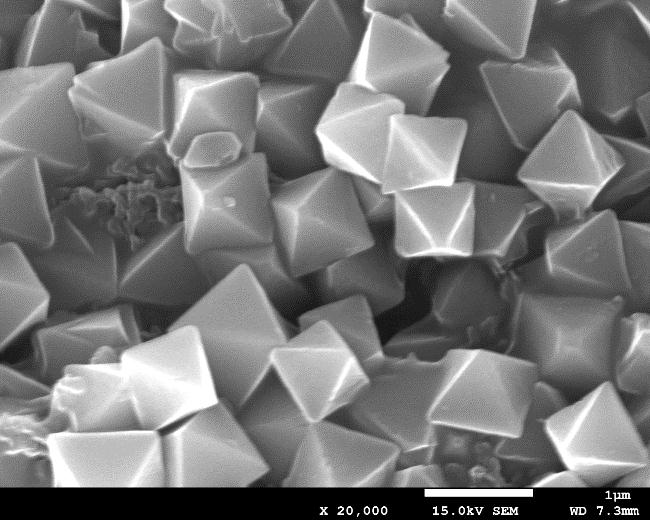
Particle size:200-900 nm(Octahedral)
Product: UiO-66,MOF, CAS No. 1072413-89-8