MIL-125(Ti) is a titanium-based metal–organic framework (Ti-MOF) constructed from titanium-oxo clusters and terephthalate (1,4-benzenedicarboxylate, BDC) organic linkers. It is one of the important early examples of a porous titanium carboxylate MOF and was reported as a highly porous, crystalline and photoactive material. MIL-125(Ti) should not be confused with NH₂-MIL-125(Ti). The latter uses 2-aminoterephthalic acid instead of terephthalic acid and has different optical and adsorption properties.
MIL-125(Ti), CAS No. 1193372-03-0, is a porous titanium-based metal–organic framework constructed from Ti-oxo/hydroxo clusters and terephthalate linkers. Its principal scientific and technological value arises from the combination of a crystalline porous structure, high surface area, titanium-based chemistry and photoactivity. Its principal investigated uses include adsorption, heterogeneous catalysis, photocatalysis, sensing and photoelectrochemical applications. Solvothermal synthesis using a titanium alkoxide, terephthalic acid and a DMF/methanol solvent system is a well-established preparation route, while synthesis parameters such as Ti/ligand ratio and activation conditions strongly influence the resulting material.
From an industrial perspective, MIL-125(Ti) is best regarded as an advanced functional-material platform with significant R&D and specialty-material potential, rather than claiming that it is already a universally established large-scale industrial adsorbent or photocatalyst. Such a distinction is important for a technically accurate commercial or industrial assessment.
Principal Properties
High porosity and surface area
Thermal stability
Photochemical activity
Tunable structure
This tunability makes MIL-125(Ti) a useful platform material rather than simply a single-purpose adsorbent.
Major Uses
Adsorbent
Photocatalysis
Photocatalysis is one of the most extensively investigated applications of MIL-125(Ti).
Heterogeneous catalysis
Sensors
Electrochemical and photoelectrochemical materials
Main Specification
BET surface area:>827 m2 g-1
Total pore volume:>0.38 cm3 g-1
Pore-size distribution:1.4-3.4 nm
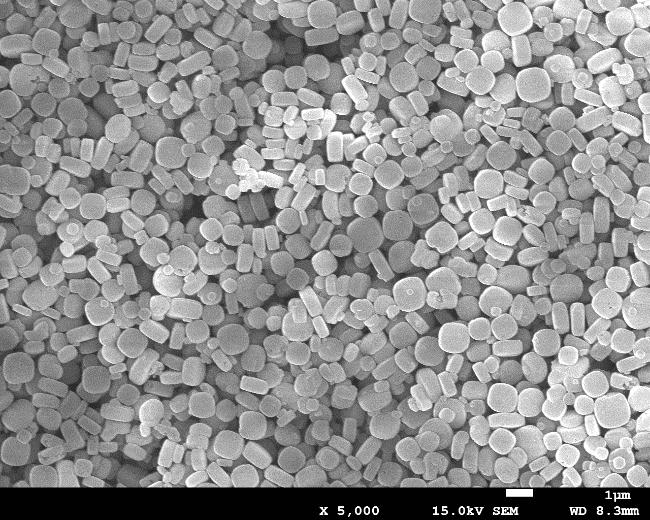
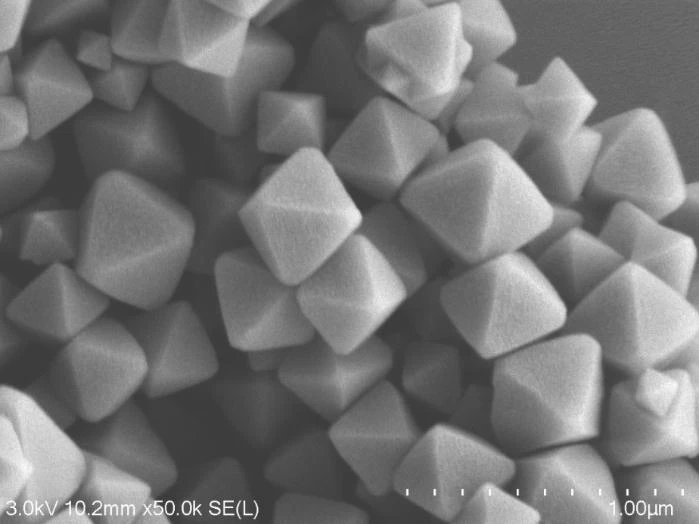
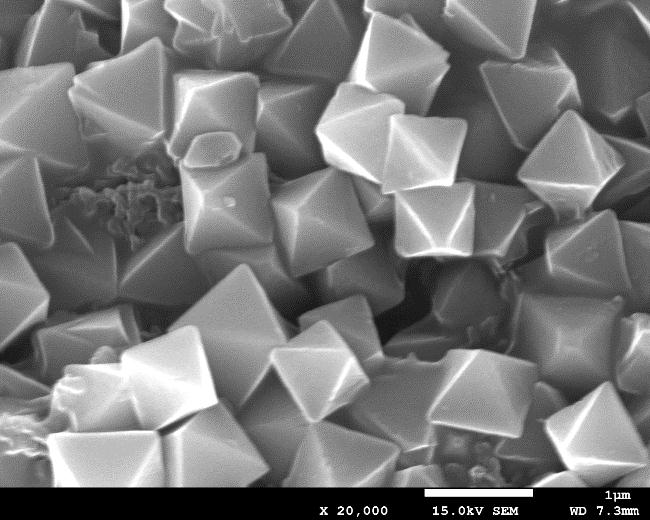
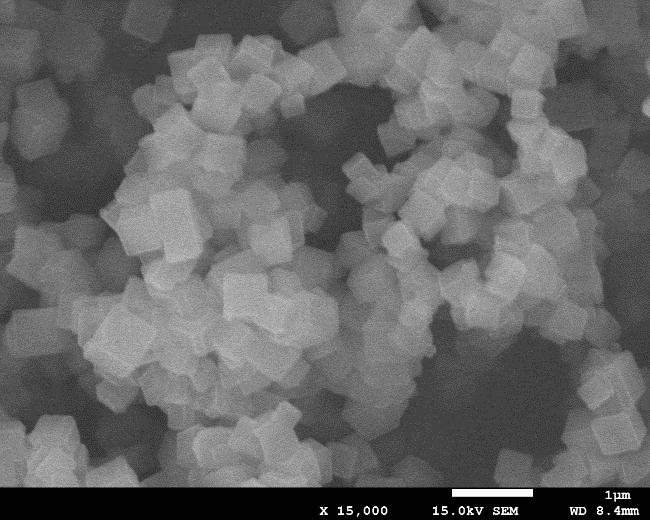
Particle size:~1000 nm(Round cake shape)